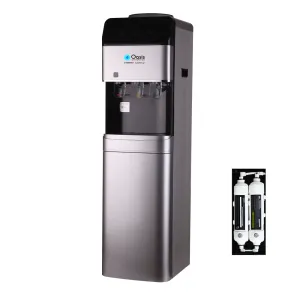
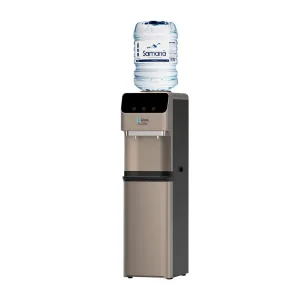
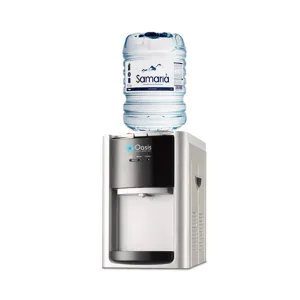
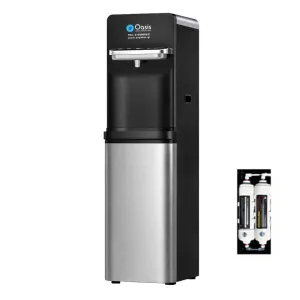
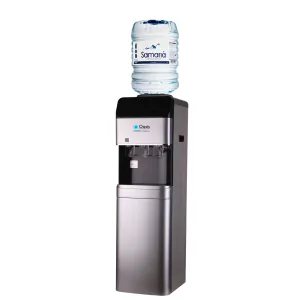
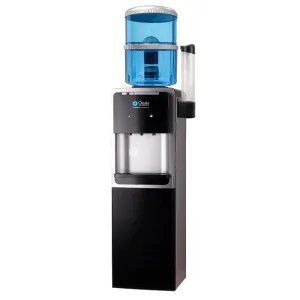
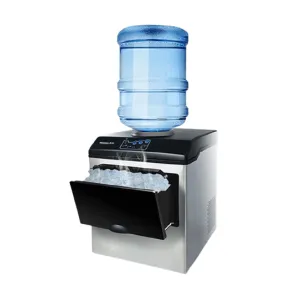
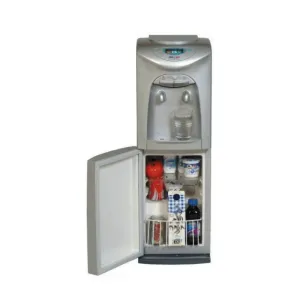
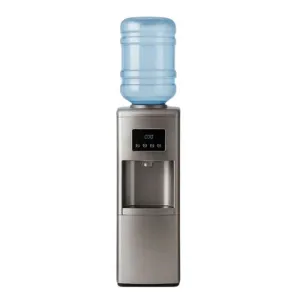
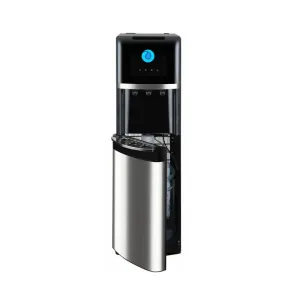
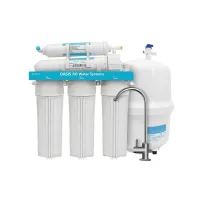
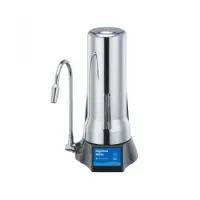
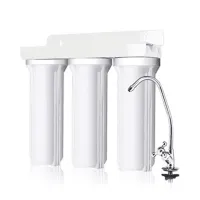
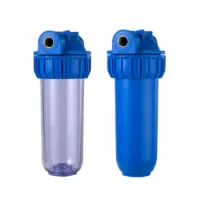
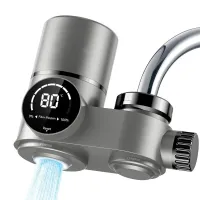
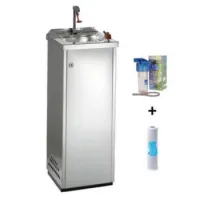
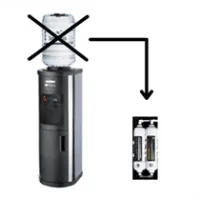
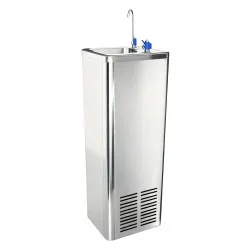
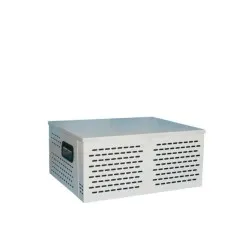
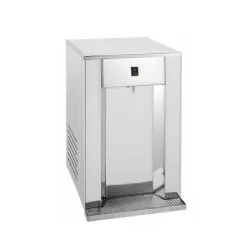
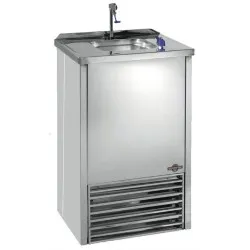
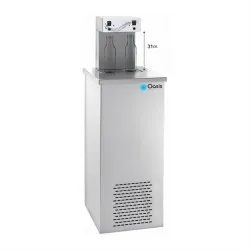
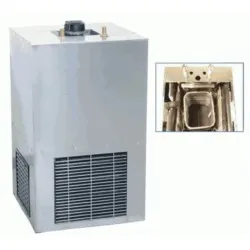
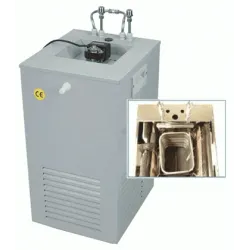
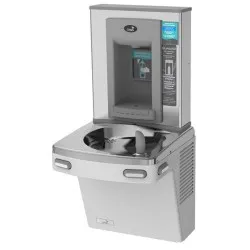

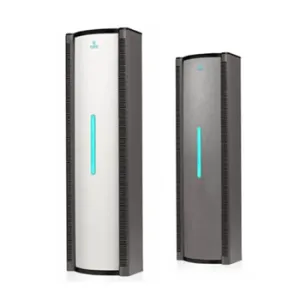
For an office, the most common choice is a mains-connected water cooler (point of use), which provides continuous cold and hot water without the hassle of bottles. The capacity is selected based on the number of users — small offices up to 10 people can use a compact model, while larger spaces need a higher-capacity unit. Mains-connected coolers with built-in filtration offer constant water quality at low long-term cost, without the need for storage space for bottles.
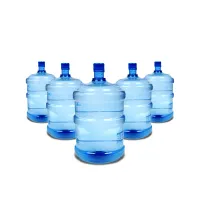
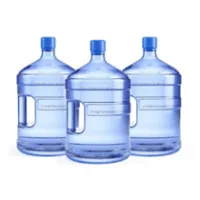
The mains cooler connects directly to the water network, providing unlimited filtered water without bottle transport. The bottled cooler uses replaceable bottled water containers, useful in locations without water network connection. The mains option offers lower long-term cost and convenience, while the bottled option offers flexibility and is ideal where water quality is questionable or there's no piping infrastructure. The choice depends on the space, water quality and frequency of use.
Consumption depends on the technology (compressor or thermoelectric), capacity and frequency of use. Modern coolers with compressors consume on average 0.5-1.5 kWh per day for normal use, similar to a small fridge. Energy-efficient models with insulation and standby technology limit consumption significantly. The monthly cost is usually low and recoverable through savings from not purchasing bottled water.
The cost varies depending on the type (countertop, floor-standing, mains, bottled), capacity, materials (e.g., stainless steel tank) and features (filtration, hot water, refrigeration). Compact models start at low prices for home use, while professional units with integrated filtration are higher. The investment is amortized through avoiding the cost of bottled water and the convenience of unlimited filtered water. Contact us at 210.6000.621 for specific recommendations based on your needs.
A cooler's capacity to serve users depends on the size of the cold water tank and the cooling performance. Small countertop models cover 1-5 people, medium home/office models cover 5-15 people, while professional larger units serve 20+ people continuously. For high consumption locations (gyms, schools, large offices), it's worth choosing a model with increased cooling capacity and continuous flow.
With proper maintenance and regular filter changes, a quality cooler can last 8-15 years or more. The cooler's lifespan is affected by the materials (stainless steel tank lasts longer than plastic), the local water quality, and observance of annual disinfection. Choose models with available spare parts and reliable technical support to extend their service life.
A compressor-based cooler uses the same cooling technology as a fridge — a compressor circulates refrigerant and cools the water tank. This technology provides faster and stronger cooling, lower water temperature (4-8°C) and ability to serve continuous demand. It's the recommended choice for offices, businesses and locations with multiple users, as it offers steady performance without performance drops during high consumption.
POU (Point Of Use) cooler is a cooler that connects directly to the water network, providing unlimited filtered water at the point of use. The acronym means "at the point of use" and refers to the fact that water is filtered and cooled where consumed, without storage in bottles. POU coolers are the most modern and economical solution for offices, businesses and homes, as they combine filtration with cooling and eliminate the cost and hassle of bottles.
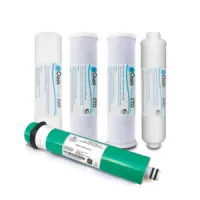
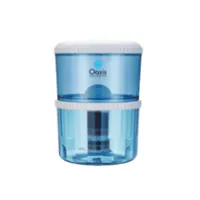
Yes, most mains-connected coolers can be combined with a filter — many models come with integrated filtration, while others can be connected to an external filtration system (e.g., activated carbon, reverse osmosis). The filter ensures the water reaches the cooler clean and odorless, protecting the device and improving water quality. Filter type selection depends on the local water quality and your requirements.
Yes, with proper maintenance and regular cleaning, a cooler provides safe and clean drinking water. Important is the annual disinfection of the tank and regular filter changes according to manufacturer instructions. Modern coolers with stainless steel tanks and quality filtration systems offer high reliability. If the cooler is connected to the mains network, ensure the local water supply is potable or use suitable filtration.
For schools and public services, professional mains-connected coolers with increased capacity and durable construction are recommended. Suitable features include: stainless steel tank, integrated filtration, easy cleaning, anti-vandalism construction (where needed), and ability to serve many users continuously. Floor-standing or built-in fountain models with continuous flow are ideal. Compliance with hygiene regulations and the availability of technical support are critical.
A slight humming or buzzing during compressor operation is normal and similar to a fridge. The noise usually intensifies during heavy use or when water is cooling after refilling. Sudden, loud or unusual noises (vibration, knocking) may indicate a problem (e.g., loose part, low water level, damaged compressor) and require technical check. Make sure the cooler is placed on a flat surface with adequate space around it for ventilation.
The most common causes are: (a) air around the cooler is limited and ventilation is poor — ensure 10-15cm space around the device, (b) thermostat needs adjustment, (c) low water level in tank, (d) clogged filter, (e) fault in compressor or heating element. Start with simple checks (positioning, water level, filter status). If the problem persists, contact technical support at 210.6000.621 for a check.
