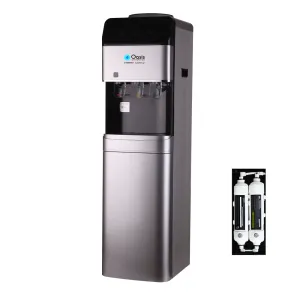
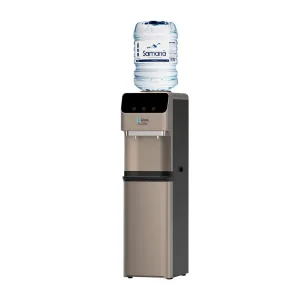
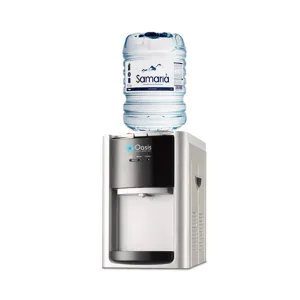
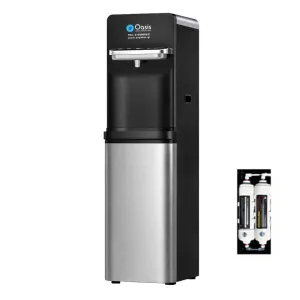


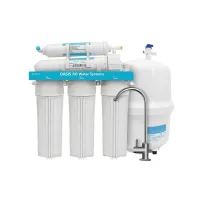
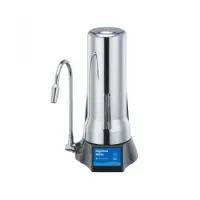
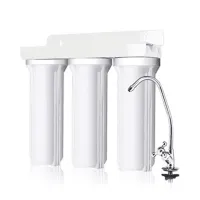
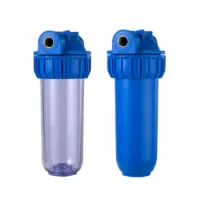
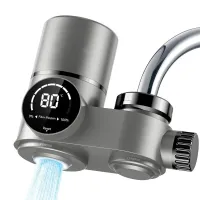
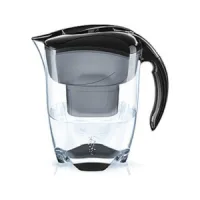
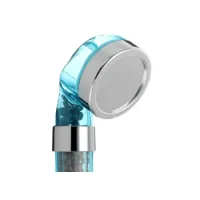
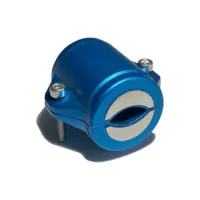
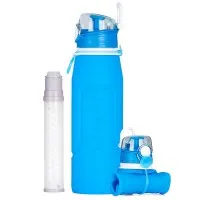
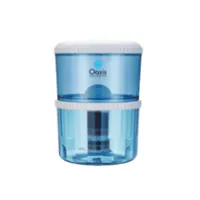
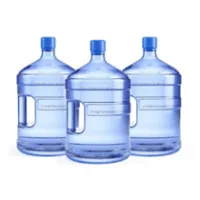
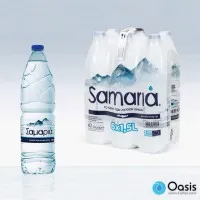
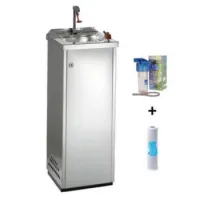
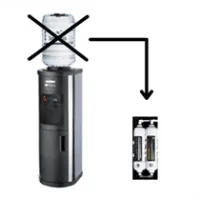
Generally, the tap water provided by the water companies in Greece is potable and meets European standards. However, water quality varies significantly by region (Athens, Thessaloniki, islands, mountain areas), the condition of internal piping in your building, and the time of year. Even when water is safe, it often has unpleasant taste or smell from chlorine and other substances. A suitable filter improves taste and ensures clean water at the point of use.
Chlorine is removed mainly by activated carbon filters (both in solid block form and granular). Activated carbon also reduces unpleasant taste and odor from chlorine, as well as some chlorination byproducts. Modern multi-stage filtration systems combine activated carbon with other technologies (sediment filter, reverse osmosis membrane) for complete cleaning. The activated carbon filter is the most basic and economical solution for chlorine.
Nitrates are difficult to remove with simple filters — they need specialized technologies such as reverse osmosis (RO), which can remove 85-95% of nitrates. Standard activated carbon filters are not effective. If your local water has high nitrate levels (common in agricultural areas), you should choose a reverse osmosis system. Ask for water analysis from your local authority or use a home test kit to know exactly what you're dealing with.
Heavy metals (lead, mercury, cadmium, etc.) are mainly removed by reverse osmosis systems and specialized ion-exchange filters. Quality activated carbon also reduces some heavy metals but with lower efficacy than RO. If you are concerned about heavy metals (e.g., due to old piping or specific local conditions), reverse osmosis offers the most complete protection. Ask for analysis from a certified laboratory for an accurate assessment.
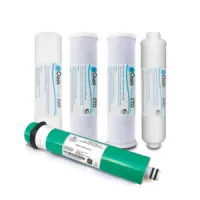
Filter change frequency depends on the type of filter, water quality and consumption volume. Indicatively: sediment filters every 3-6 months, activated carbon filters every 6-12 months, reverse osmosis membranes every 2-3 years, and post-filters every 6-12 months. Always follow the manufacturer's instructions and consider the local water quality (hard or polluted water requires more frequent changes). Many modern systems have indicators that signal change.
Cost varies depending on filter type and system. Simple activated carbon filters cost less, while specialized reverse osmosis membranes are higher. Total annual maintenance cost for a typical home filtration system usually ranges affordably, as it's spread over several months. The investment pays for itself with the savings from not purchasing bottled water and the quality you get.
The choice depends on space, convenience and aesthetics. Countertop filter is easy to install and move, doesn't require modifications, suitable for renters or those who change house. Under-counter filter is installed permanently under the sink, doesn't take up countertop space, offers larger capacity and longer filter life, but requires more installation work. For permanent solution with multi-stage filtration, under-counter is the most professional choice.
Activated carbon is a specially treated form of carbon with very large surface area thanks to thousands of tiny pores. This structure makes it ideal for adsorbing substances like chlorine, organic compounds, pesticides, unpleasant odors and tastes from water. Used in many forms (granular, block, fiber) in filter cartridges. It's the most common and economical filtration technology, with high effectiveness for many basic water problems.
Reverse osmosis (RO) is a filtration technology that uses a semi-permeable membrane to remove up to 99% of impurities, salts, heavy metals, bacteria and viruses from water. Water is pushed through the membrane under pressure, leaving impurities behind. RO is the most complete filtration method available for home use, providing water of exceptional purity. Typical RO systems combine the membrane with pre-filters and post-filters for optimal result.
Yes, with a properly maintained filtration system, water is ready for direct consumption after passing through the filter. Important is to: (a) replace filters on time, (b) periodically disinfect the system, (c) ensure the filter is suitable for the water source you use. Quality filters significantly improve water taste and clarity. If you have specific health concerns or your water has known issues, choose an enhanced filtration system (e.g., reverse osmosis).
Standard activated carbon filters do NOT remove salts (calcium, magnesium that cause hardness). To remove salts you need specific technologies: reverse osmosis (removes most salts), ion exchange (water softeners), or distillation. If your area has hard water (high calcium/magnesium content), you'll need a water softener for the entire home network or a reverse osmosis system for the drinking water point. Note that totally salt-free water is not always desirable for health.
Signs that the filter needs changing: (a) noticeable change in taste or smell of water, (b) reduced water flow, (c) cloudy or colored water, (d) time has expired since last change. Many modern filters have visual indicators (color, lights) that signal when change is needed. Even without visible signs, replace the filter according to manufacturer's recommended schedule, as filtration effectiveness decreases gradually even if the filter looks fine.
For hard water (high content of calcium and magnesium), a single activated carbon filter is not enough. Best options are: (a) reverse osmosis system that removes most salts, (b) water softener that exchanges hardness ions, (c) combination of softener (for entire home) + filter (for drinking water). Hard water causes lime scale on devices and reduces filter life. A water analysis will reveal hardness and other parameters, helping you choose the right solution.
