Menu
Your Cart

Questions About Filters

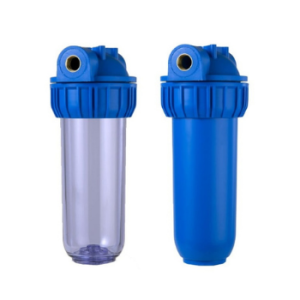
Central water supply filters are filter vessels, more reinforced than the classic ones, to withstand high water pressures and are placed at the beginning of the plumbing of a house, in order to clean the water that is distributed throughout the house. Mainly used in areas with a lot of salts, in order to protect the devices and the pipes of the building.

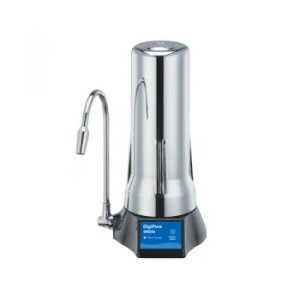
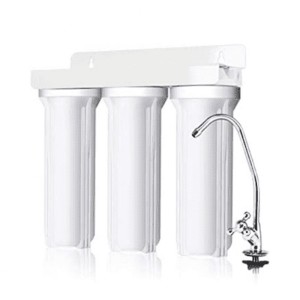
The choice of a under counter water filter has to do with the quality of the water we want to filter. If the water is in fairly good condition, as is the case in most cities in Greece, a two or three stages water filter, with a replacement anti-sediment filter and a replacement activated carbon water filter against chlorine and chemicals, is the best choice.

Schedule a change of your filters every 6 months or at least every fall. It is the ideal period in terms of hygiene because in August most of us go on vacation, with the result that the filter is useless. This can promote the formation of microorganisms in the filter containers due to stagnant water. However, spare activated carbon water filters should be replaced every six months.

The real problems with drinking water are the chlorine and sediment that are transferred to the water.

According to research, the consumption of chlorinated water endangers our health, as the presence of chlorine in the water we drink has been associated with many and serious pathological conditions for the human body. In addition, as water travels through an outdated water supply system, which contains rust and dirt, to reach our taps, it results in large amounts of harmful substances ending up in our glass.

Therefore, the reason that makes it necessary to install a water filter, is to rid our water of chlorine and sediment.

For additional information, clarification or assistance regarding the need to install water filters, do not hesitate to contact us at 210 6000 621. We will be happy to serve you.

Every city, village, region, has its own unique water in terms of quality - composition. This is the basic criterion for the correct purchase of a water filter.


The basic filtering methods are as follows:

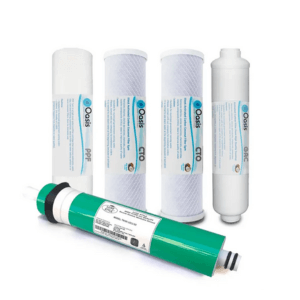
Mechanical filtration: Retains suspensions in drinking water. These are polypropylene (PP) water filters or yarn water filters.

Chemical filtration: Retains chemical compounds found in drinking water. Such are the activated carbon water filters, which have proven absorption in many chemicals.

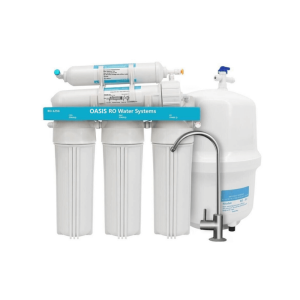
High filtration with reverse osmosis: Makes non-drinking water through high filtration, drinkable. Such water filters are 5 or 6 stage reverse osmosis water filters with high retention of substances harmful to the body, such as heavy metals, microorganisms and high salt content - hardness, asbestos.

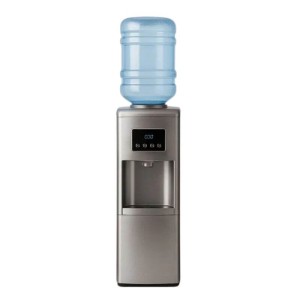
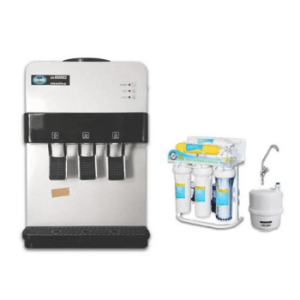
Therefore, knowing the water of your area, you can choose one of the above ways of filtration and have very good quality drinking water. All water filters can be combined with water coolers for greater practicality, in residential or commercial spaces.


In case you do not know the water of your area and you want to know more details about the composition of the water, the municipalities are obliged to give you a chemical analysis of the composition of the water, so you can request it. Otherwise you can send us a water sample and we will do the analysis for you.

To choose the right water filter for your home, follow the steps below.


1. Choose where to install it.

Decide whether to install your filter above or below your kitchen counter. Countertop water filters are extremely stylish and connect very quickly and without tools. However, if you have a small bench, you may want to opt for a lower bench filter. If you end up with a bottom bench filter, then you have the option to connect the water filter directly to the cold supply (at the beginning of the coil) of your battery (ie every time you open your tap in the cold, the water will be filtered) or connect it to its own separate tap for filtered water only.

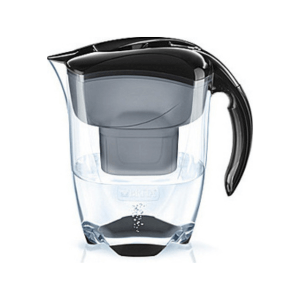
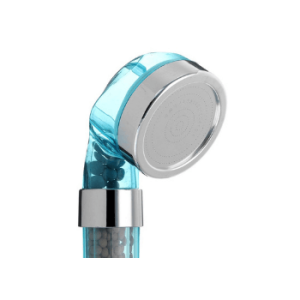
There are also the most "local" filters such as tap water filters for the tap nozzle, jugs with water filter, central supply filters that enter the "clocks" of the house and remove any solid particles, filters shower - bath that are ideal for sensitive skin or allergies and soft hair, laundry filters that reduce salts, etc.


2. Choose whether to buy a single, double or even triple filter depending on how severe the problem is.

If you just want to improve the taste & smell of water and reduce harmful substances then choose a single filter. But if you have a lot of soil in your water, then choose a double filter (in the first stage a soil reduction filter will be inserted and in the second an activated carbon filter). If you have, for example, a lot of soil and a lot of salts, then choose a triple filter (salt reduction filter, soil reduction filter and activated carbon filter). If you have more issues with your water, then it is best to install a reverse osmosis system.


For any information, clarification or assistance, do not hesitate to call us at 210 6000 621. We will be happy to serve you.

Reverse osmosis technology is currently the best water filtration technology in the world.

It is the ideal choice for areas with non-drinking - unsuitable water. Provides the highest degree of purification of liquids from contaminants, compared to other common filtration methods and removes from the water all harmful agents (salts, heavy metals, harmful microorganisms, etc.), with the help of special filters & membranes.


For any information, clarification or assistance regarding the selection of reverse osmosis water filters, do not hesitate to call us at 210 6000 621. We will be happy to serve you.

To properly operate the shower filter, it is advisable to follow the steps below:

  1. Unscrew the spiral from the tap and insert the filter.
  2. Place the two sealing gaskets at the filter inlet.
  3. Open the cold water to rinse the filter and remove the first blackness. 
  4. Do not pass hot water through the filter. Find the right temperature from the other outlet of the tap and then pass the water through the filter.
  5. It is advisable to change the filter every 3 months.

If you have a permanent flow in the reverse osmosis system drain, you will need to take the following steps:


1. Check the osmosis faucet if it is closed.

2. Check the flash switch if it is closed.

3. Check the water network pressure. If it is below 2 bar it will not stop. It should be above 2.5 - 3 bar so it doesn't drip. (The water filter reverse osmosis works above 3.5 bar for its membrane to filter properly).

4. Close the valve of the tank and check that after a while if the flow of water in the drain will stop.

5. Remove and re-enter the membrane correctly in its container (end up inside the container).

6. There is a possibility that the flow restrictor needs a change.

7. There is a possibility that the quadruple needs to be changed.


1) After changing the filters it is very likely that air was stored in the osmosis system and this can create an unpleasant taste in the water.

How is it treated?

You will need to run the system for a few minutes to release the stored air and let the water run until the taste improves. You can turn off the tank switch, turn on the filter faucet to run, and shake the entire filter system to release any air trapped in the filters.


2) If your tap water is below 1000ppm in addition to a good rinse and aeration, you will also need to add an Inline Minerals filter


You can see the water analysis of your area at the following link: https://ydor.edeya.gr/labcheck/view


3) Flavored water must be stored in the tank. In this case you will have to fill and empty 3-4 times to get rid of the old water.


4) You may have made a mistake while installing the filters. You may not have put the membrane in the case correctly, or the online filters may not have been put in from the correct flow. The membrane must have ended in its container to work properly because otherwise unfiltered water passes through.


5) If there is standing water in the reverse osmosis system, be sure to drain it before starting to use the system. Before inserting the new filters it is good to clean the containers if they are very dirty.


6) Some reverse osmosis are stored in a special preservative until ready to use. Sodium persulfate (a preservative to prevent micro-organisms from growing) is the most common solution used for this purpose. Because of this, RO membranes must be primed before use, which usually involves running a few full flushes of the RO system. You should ideally let the storage tank fill and empty at least two to three times before using the water. For more information, check the manufacturer's instructions!


7) The membrane requires high pressure, above 2.5 bar to work properly, because if the pressure is low, it does not work properly.


8) After you have checked all of the above and there is still a bad taste in your water there is a possibility that you have low quality filters: If you have replaced the filters with low quality or incompatible filters, they may not effectively remove pollutants or introduce impurities into the water. Make sure you use the correct filters designed specifically for your RO system. If necessary, consult the manufacturer or supplier to verify filter compatibility. Finally, there might also be material misalignment.

Nitrates are a chemical found in most chemical fertilizers, manure and liquid waste. Rain or irrigation water can carry nitrates through the soil into groundwater.

When there is excess nitrate in the soil, it accumulates in groundwater or other water bodies, which are often used as a source for drinking water or irrigation, making the water we drink harmful to health.


What filters should I put in to remove nitrates from the water?


1) Reverse Osmosis

Reverse osmosis technology is currently the best water filtration technology in the world, with over 90% water rejection. It consists in areas with very difficult and unsuitable water for drinking (salts, heavy metals, carcinogenic substances, arsenic, etc.).

This system has a 12 liter tank where the water is temporarily stored. So you don't have to wait at all to enjoy clean water.

It has a separate, elegant, nickel faucet just for filtered water.

The system is placed under the counter.


2) Resin filters

Resin filters are suitable for reducing the salts in your tap water. Through the ability to exchange ions, it noticeably lowers calcium and magnesium salts from the water, making the water soft and giving it a velvety - pleasant taste.


3) Water softeners

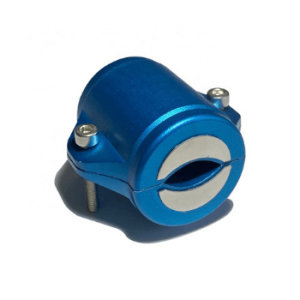
Anti-scale magnets are suitable for homes, washing machines, dishwashers, water heaters, agricultural and industrial facilities, irrigation.

They dissolve Calcium and Magnesium salts and soften the water, protecting household appliances and pipes.

This is a common phenomenon that can occur after changing water filters. The white color in the water is caused by trapped air inside the new filters. When you turn on the tap, this air is released and forms tiny bubbles, which make the water appear milky or white.


If you let the water sit in a glass for a few seconds, you'll notice the bubbles rise to the surface and disappear. After a few days of regular use, this effect usually goes away on its own.


In some cases, this may also be accompanied by a whistling or crackling sound from the tap, which is also caused by the air. It typically takes 7 to 10 days for the water flow and appearance to return completely to normal.